
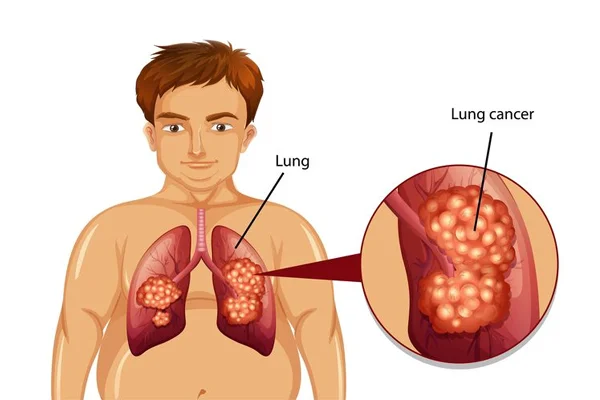
Lung cancer is a serious condition that develops when abnormal cells in the lungs grow uncontrollably and may spread to other parts of the body. Early detection, accurate diagnosis, and timely treatment can play an important role in managing the disease. If you are looking for lung cancer treatment in Sarita Vihar, Dr. Saraansh Bansal provides specialised evaluation and personalised care based on the patient's condition, cancer type, stage, and overall health.
Lung cancer does not always cause noticeable symptoms during its early stages. Some symptoms may appear similar to common respiratory problems, which is why persistent or unusual changes in breathing should not be ignored. Proper medical evaluation can help identify the underlying cause and determine the most appropriate treatment approach.
Lung cancer occurs when cells in the lung begin to multiply abnormally and form a tumour. Depending on the type and characteristics of the cancer, it may remain within the lung or spread to nearby lymph nodes and other organs.
The two broad categories of lung cancer are non-small cell lung cancer (NSCLC) and small cell lung cancer (SCLC). Treatment differs according to the specific type, stage, location, molecular characteristics, and general health of the patient.
An evaluation with an experienced specialist is important because every case of lung cancer is different. The treatment plan is therefore developed after carefully reviewing the patient's medical history, investigations, imaging, and diagnostic findings.
Lung cancer symptoms can vary from person to person. Common symptoms may include:
Having these symptoms does not necessarily mean that a person has lung cancer. However, persistent symptoms, especially in people with risk factors, should be medically evaluated.
Several factors can increase the risk of developing lung cancer. Smoking is one of the most significant risk factors. Exposure to second-hand smoke, certain workplace chemicals, air pollution, radon, and other environmental factors may also contribute to risk.
A family history of lung cancer and certain previous lung conditions may also be relevant in some individuals. People with significant risk factors may benefit from discussing appropriate screening or evaluation with their doctor.
Accurate diagnosis is an important part of lung cancer treatment in Sarita Vihar. Depending on the symptoms and clinical findings, the doctor may recommend different investigations.
These may include imaging tests such as a chest X-ray or CT scan. If an abnormal area is identified, further evaluation may be required. In selected cases, a biopsy may be performed to examine tissue under a microscope and confirm the diagnosis.
Additional tests may be recommended to determine the type and stage of cancer. Molecular or biomarker testing can also be relevant for certain patients because specific findings may influence treatment choices.
A detailed diagnosis helps the medical team understand the disease and plan treatment more appropriately.
Treatment for lung cancer depends on several factors, including the type and stage of cancer, tumour characteristics, overall health, and whether the disease has spread.
Surgery may be considered for selected patients, particularly when the cancer is localised and can be safely removed. Depending on the tumour and lung function, surgical treatment may involve removing a portion of the lung or, in some cases, a larger section.
Chemotherapy uses medicines that target rapidly dividing cancer cells. It may be recommended before or after surgery or as part of treatment for more advanced disease. The specific medicines and treatment schedule depend on the individual case.
Radiation therapy uses focused radiation to destroy or control cancer cells. It may be used alone or alongside other treatments depending on the stage and location of the cancer.
Some lung cancers contain specific genetic or molecular changes that can be targeted with specialised medicines. Testing of tumour tissue or other appropriate samples may help determine whether targeted treatment could be suitable.
Immunotherapy works by helping the immune system recognise and respond to cancer cells. It may be recommended for certain types and stages of lung cancer based on clinical and molecular findings.
Often, treatment involves a combination of therapies rather than a single approach. The final treatment plan should always be decided after a detailed medical assessment.
The journey usually begins with a consultation and review of symptoms, medical history, smoking history, previous reports, and current medications. Relevant imaging and diagnostic tests are then assessed.
Once the diagnosis and stage are established, the doctor discusses suitable treatment options. Depending on the case, additional specialists may be involved to create a coordinated treatment plan.
Throughout treatment, the patient's response, side effects, nutritional status, breathing, and general health may need regular monitoring. Follow-up appointments are important for evaluating progress and modifying treatment when required.
Recovery from lung cancer treatment varies significantly between patients. It may depend on the type of treatment, cancer stage, overall health, and whether surgery was performed.
After treatment, regular follow-up is important. Patients should take prescribed medicines as directed and attend scheduled appointments and investigations. Maintaining a balanced diet, staying physically active according to medical advice, getting adequate rest, and avoiding tobacco exposure can support overall health.
Patients should also report new or worsening symptoms to their healthcare provider rather than waiting for a routine appointment.
Choosing the right specialist is an important part of managing lung cancer. Dr. Saraansh Bansal focuses on detailed evaluation, evidence-based treatment planning, and care tailored to the individual patient's needs.
Patients seeking lung cancer treatment in Sarita Vihar can receive guidance regarding diagnosis, staging, treatment options, and follow-up care. A personalised approach helps ensure that treatment decisions are made after considering the patient's medical condition and available diagnostic information.
If you or a family member has persistent respiratory symptoms, an abnormal lung scan, or has recently been diagnosed with lung cancer, timely medical consultation can help clarify the condition and available treatment options.
Dr. Saraansh Bansal provides lung cancer evaluation and treatment guidance in Sarita Vihar, with an approach focused on appropriate diagnosis, personalised treatment planning, and continued medical care.
Early evaluation should not be delayed when concerning symptoms persist. A specialist consultation can help determine whether further testing is needed and what steps should be considered next.
Persistent cough, breathlessness, chest discomfort, coughing blood, unexplained weight loss, fatigue, recurrent infections, and voice changes can occur. Persistent symptoms should be evaluated by a doctor.
Treatment depends on the type, stage, tumour characteristics, and overall health of the patient. Depending on the situation, treatment may include surgery, chemotherapy, radiation therapy, targeted therapy, immunotherapy, or combinations of these.
Diagnosis may involve clinical evaluation, imaging such as CT scans, and tissue biopsy. Additional molecular or biomarker testing may be recommended for selected patients.
Yes. Although smoking is a major risk factor, lung cancer can also occur in people who have never smoked. Other environmental, genetic, and occupational factors may contribute.
Persistent cough, unexplained breathing difficulties, coughing blood, abnormal chest imaging, or a suspected or confirmed lung tumour should be discussed with an appropriate specialist.
Dr. Saraansh Bansal provides consultation and personalised lung cancer treatment guidance in Sarita Vihar. A detailed evaluation can help determine the appropriate next steps for diagnosis and treatment.


Write a Reply or Comment