

| Category | Fractured Ribs |
Fractured ribs are a common type of chest injury that can occur after a road accident, fall, sports injury, direct blow, or severe coughing. A rib fracture can cause significant pain, especially while breathing deeply, coughing, or moving the upper body.
While many uncomplicated rib fractures heal with appropriate conservative care, some injuries can damage the lungs or other structures inside the chest. If you are looking for fractured ribs treatment in Sarita Vihar, Dr. Saraansh Bansal provides specialist evaluation and personalised treatment guidance based on the number and location of fractures, symptoms, and associated chest injuries.
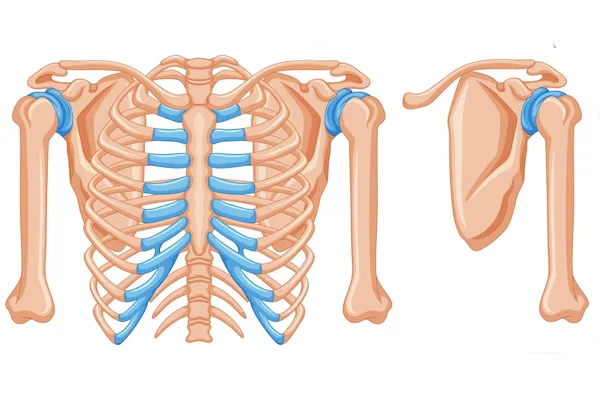
Rib fractures occur when one or more of the bones forming the chest wall develop a crack or break. The ribs protect important structures such as the lungs and heart while also helping the chest expand during breathing.
A fracture may be simple, with the rib remaining relatively stable, or more complicated when multiple ribs are broken or displaced.
Rib fractures can occur alone or alongside injuries such as pneumothorax, hemothorax, or lung contusion. For this reason, significant chest trauma should be evaluated carefully.
Rib fractures can result from different types of trauma and, in some cases, underlying bone weakness. Common causes include:
The severity of the fracture depends on the force of impact, the patient's bone strength, and whether other chest structures have been injured.
The most common symptom is pain at the site of the fracture. Other symptoms may include:
Severe breathlessness, worsening chest pain, coughing up blood, dizziness, fainting, or bluish skin can indicate a more serious chest injury and require urgent medical attention.
Most uncomplicated rib fractures heal without major complications. However, severe or multiple fractures can affect breathing and may be associated with injuries to internal chest structures.
Possible complications include:
Older adults and people with underlying lung conditions may be at increased risk of complications.
Accurate assessment is an important part of fractured ribs treatment in Sarita Vihar. The doctor may review how the injury occurred, examine the chest, assess breathing, and check oxygen levels.
A chest X-ray may be used to identify fractures and, importantly, look for associated complications such as pneumothorax or hemothorax. However, some rib fractures may not be clearly visible on an X-ray.
A CT scan may be recommended for significant trauma or when there is concern about internal injuries. The choice of imaging depends on the severity and circumstances of the injury.
Treatment depends on the number and severity of fractures and whether there are associated injuries.
Pain control is an important part of treatment. Severe pain can make it difficult to breathe deeply and cough effectively, potentially increasing the risk of respiratory complications.
Appropriate pain medicines may be prescribed according to the patient's medical history and overall condition.
Deep-breathing exercises may be recommended to help maintain lung expansion and reduce the risk of complications such as pneumonia.
Patients should follow their doctor's instructions and avoid forcing movements that significantly increase pain.
Adequate rest allows the ribs to heal. Patients should avoid activities that could worsen the injury, including heavy lifting and contact sports, until they have recovered sufficiently.
Gradual return to normal activity should be based on symptoms and medical advice.
If a rib fracture is accompanied by pneumothorax, hemothorax, or another internal chest injury, additional treatment may be required.
For example, a significant collection of air or blood around the lung may require chest tube drainage.
Most rib fractures do not require surgery. However, surgical stabilisation may be considered in selected patients with multiple significantly displaced fractures, chest wall instability, severe respiratory impairment, or other specific circumstances.
The decision depends on the injury pattern and overall clinical condition.
Rib fractures commonly take several weeks to heal, although recovery time varies depending on the number of fractures, severity of injury, age, general health, and presence of complications.
Pain may gradually improve as the ribs heal. Patients should follow their prescribed pain management plan and perform breathing exercises as advised.
Smoking should be avoided because it can negatively affect respiratory health and recovery. Patients should also attend follow-up appointments when recommended.
Not all rib fractures can be prevented, especially those resulting from significant accidents. However, certain measures may reduce the risk of injury.
Using appropriate safety equipment during sports, wearing seat belts, preventing falls, and maintaining good bone health can help reduce the likelihood or severity of some injuries.
People with osteoporosis or other conditions affecting bone strength should discuss appropriate management with their healthcare provider.
Fractured ribs can sometimes be associated with hidden lung or chest complications. Dr. Saraansh Bansal focuses on evaluating both the rib injury and the condition of the underlying lungs before recommending an appropriate management plan.
For patients seeking fractured ribs treatment in Sarita Vihar, specialist consultation can help with diagnosis, pain management, respiratory care, and evaluation of associated chest injuries.
Rib pain following an accident or chest injury should be evaluated when it is severe, persistent, or associated with breathing difficulty. Proper assessment can help identify fractures and rule out complications involving the lungs.
Dr. Saraansh Bansal provides specialist consultation and personalised treatment guidance for fractured ribs in Sarita Vihar. The treatment plan is tailored according to the injury, imaging findings, symptoms, and overall health of the patient.
If you have experienced significant chest trauma or are developing increasing breathlessness after a rib injury, prompt medical assessment is important.
Sharp chest pain, tenderness, bruising, pain during deep breathing or coughing, and difficulty moving the upper body are common symptoms.
Diagnosis may involve physical examination and chest imaging. X-rays are commonly used, while CT scans may be recommended when more detailed assessment is required.
Many uncomplicated rib fractures heal over several weeks, but recovery varies depending on the severity of the injury and the patient's overall health.
Most rib fractures are treated without surgery. Surgical fixation may be considered in selected cases involving severe displacement, multiple unstable fractures, or significant chest wall problems.
Yes. A broken rib can sometimes injure the lung and cause complications such as pneumothorax or lung contusion.
Pain can cause people to take shallow breaths. Appropriate breathing exercises can help maintain lung expansion and may reduce the risk of respiratory complications.
Severe or worsening breathlessness, coughing up blood, fainting, severe chest pain, or bluish lips or skin requires urgent medical evaluation.
Dr. Saraansh Bansal provides specialist consultation and personalised treatment guidance for fractured ribs in Sarita Vihar.


