

| Category | Hydatid Cysts |
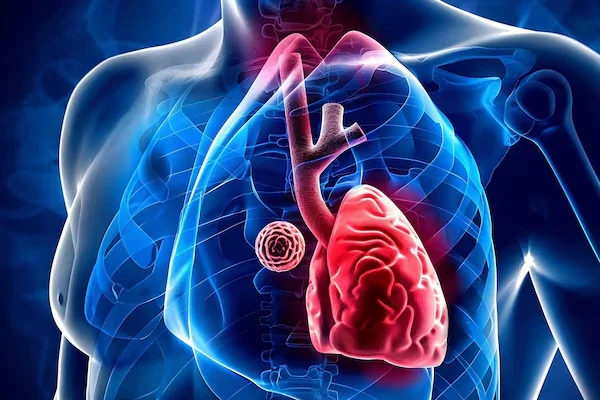
A hydatid cyst is a parasitic cyst caused by infection with Echinococcus, a type of tapeworm. Hydatid disease can affect different organs, most commonly the liver and lungs. When the infection involves the lungs, it may lead to a pulmonary hydatid cyst that can cause cough, chest discomfort, breathlessness, or other respiratory symptoms.
If you are looking for hydatid cyst treatment in Sarita Vihar, Dr. Saraansh Bansal provides specialist evaluation and personalised treatment guidance based on the cyst's size, location, symptoms, and involvement of other organs.
Early and appropriate assessment is important because a pulmonary hydatid cyst can sometimes rupture or become infected, leading to complications.
Hydatid disease, also known as echinococcosis, occurs when a person becomes infected with the larval stage of Echinococcus parasites. The parasite can form fluid-filled cysts within organs.
The lungs are one of the most common sites affected after the liver. A hydatid cyst in the lung can grow gradually and may remain unnoticed until it becomes large enough to cause symptoms.
Hydatid cysts require careful handling because rupture of a cyst can result in complications and may cause an allergic reaction in some cases.
Humans can become accidental hosts of Echinococcus after swallowing parasite eggs. The eggs can enter the body through contaminated food, water, or contact with infected animals.
Dogs and other canids are important hosts in the parasite's life cycle. Exposure to infected animals or environments can increase the risk of infection in areas where hydatid disease is prevalent.
Hydatid disease does not usually spread directly from one person to another.
Small lung cysts may not cause noticeable symptoms. Symptoms can develop as the cyst grows or if complications occur.
Possible symptoms include:
Some patients may have a hydatid cyst discovered incidentally during chest imaging performed for another reason.
Pulmonary hydatid cysts can cause complications, particularly when they become large or rupture.
Possible complications include:
A ruptured hydatid cyst requires prompt medical evaluation.
Accurate diagnosis is an important part of hydatid cyst treatment in Sarita Vihar. A doctor may review symptoms, medical history, travel or exposure history, and imaging findings.
A chest X-ray may identify a lung cyst, while a CT scan of the chest can provide more detailed information about its size, location, internal characteristics, and relationship with nearby structures.
Blood tests may sometimes support the diagnosis, although laboratory testing alone may not always confirm or exclude pulmonary hydatid disease.
If disease outside the lungs is suspected, additional imaging may be recommended to evaluate other organs, particularly the liver.
Treatment depends on the location, size, number of cysts, symptoms, and whether complications are present.
Surgery is an important treatment option for many pulmonary hydatid cysts, particularly when they are large, symptomatic, complicated, or at risk of rupture.
The goal is to remove the cyst while minimising spillage of its contents and preserving as much healthy lung tissue as possible.
The exact surgical approach depends on the cyst's characteristics and the patient's overall condition.
Anti-parasitic medicines such as albendazole may be used in selected patients. Medication may be prescribed before or after surgery or in other specific circumstances based on specialist assessment.
The dosage and duration should be determined by the treating medical team.
If a hydatid cyst becomes infected or ruptures, additional treatment may be required. This can include antibiotics, respiratory support, management of allergic reactions, and surgical intervention when necessary.
A pulmonary hydatid cyst may remain stable for some time, but enlargement or rupture can lead to significant complications. Early diagnosis allows the medical team to assess the cyst and determine whether observation, medication, surgery, or another approach is appropriate.
Patients with known hydatid disease should follow the recommended monitoring and treatment plan.
Recovery depends on the size and location of the cyst, the extent of surgery, and the patient's general health.
After treatment, follow-up appointments and imaging may be recommended to assess recovery and check for any remaining or recurrent disease.
Patients should take prescribed medication as directed and report symptoms such as fever, increasing chest pain, breathlessness, or persistent cough during recovery.
Prevention focuses on reducing exposure to the parasite and interrupting its life cycle. Good hand hygiene, safe food and water practices, and appropriate handling of dogs and livestock can reduce the risk of infection.
In areas where hydatid disease is common, veterinary control and regular deworming of dogs are important public health measures.
Pulmonary hydatid cysts require careful assessment because treatment may involve both medical and surgical considerations. Dr. Saraansh Bansal focuses on detailed evaluation of respiratory symptoms and imaging findings and develops treatment recommendations according to the individual patient's condition.
For patients seeking hydatid cyst treatment in Sarita Vihar, specialist consultation can help with diagnosis, evaluation of cyst-related complications, treatment planning, and appropriate follow-up.
A hydatid cyst in the lung may not cause symptoms initially, but complications can develop if the cyst grows, becomes infected, or ruptures. Timely specialist assessment can help determine the appropriate management approach.
Dr. Saraansh Bansal provides consultation and personalised treatment guidance for pulmonary hydatid cysts in Sarita Vihar. The treatment plan is based on the cyst's characteristics, symptoms, diagnostic findings, and overall health.
If a cyst has been identified on a chest scan, specialist evaluation can help clarify whether it may represent hydatid disease and what treatment options should be considered.
A hydatid cyst is a parasitic cyst caused by Echinococcus infection. It can develop in organs such as the liver and lungs.
Yes. The lungs are one of the common organs affected by hydatid disease. Pulmonary cysts can cause respiratory symptoms or may be discovered incidentally.
Symptoms may include cough, chest discomfort, breathlessness, and coughing up blood. Some cysts may not cause symptoms until they become large or develop complications.
Yes. Treatment may include surgery, anti-parasitic medication, or a combination depending on the location, size, symptoms, and complications.
Not every case requires the same treatment. However, surgery may be recommended for selected large, symptomatic, complicated, or high-risk pulmonary cysts.
Rupture can release cyst contents into the airways or surrounding tissues and may cause infection, allergic reactions, or other complications. Prompt medical assessment is important.
Yes. The liver is commonly affected, and other organs can also be involved. Additional evaluation may be recommended when systemic disease is suspected.
Dr. Saraansh Bansal provides specialist consultation and personalised treatment guidance for pulmonary hydatid cysts in Sarita Vihar.


