

| Category | Lung Nodules |
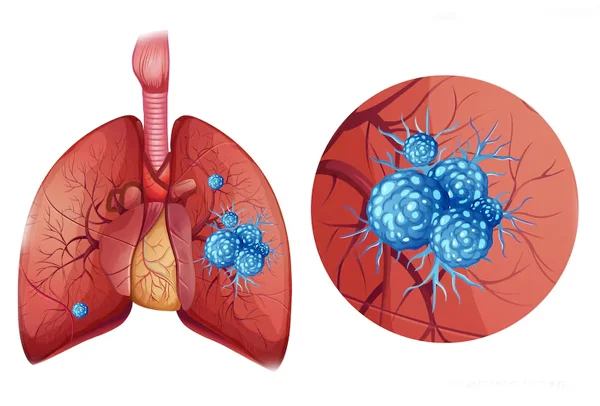
A lung nodule is a small, rounded or irregular area of tissue found within the lung. Lung nodules are commonly detected during chest X-rays or CT scans performed for respiratory symptoms or for another medical reason. Most lung nodules are not cancerous, but some may require further investigation depending on their size, appearance, growth, and the patient's risk factors.
If you are looking for lung nodule treatment in Sarita Vihar, Dr. Saraansh Bansal provides specialist evaluation and personalised guidance for patients with newly detected or previously monitored lung nodules.
A lung nodule, sometimes called a pulmonary nodule, is a small abnormal spot in the lung. It may be caused by an old infection, inflammation, scar tissue, or other non-cancerous conditions. In some cases, a nodule can represent an early lung cancer.
Lung nodules can be solitary, meaning there is one nodule, or multiple, meaning several nodules are present.
Finding a nodule does not automatically mean that a person has lung cancer. A detailed assessment is needed to understand its significance.
Lung nodules can develop for many reasons. Common causes include:
The cause cannot usually be determined from the presence of a nodule alone. Its characteristics on imaging and changes over time are important.
Most small lung nodules do not cause symptoms and are discovered incidentally during imaging.
When symptoms are present, they are usually related to the underlying condition rather than the nodule itself. Possible symptoms may include:
Persistent or concerning respiratory symptoms should be evaluated by a specialist.
The likelihood that a lung nodule is cancerous can depend on several factors. These may include:
Risk assessment should be individualised rather than based on a single factor.
Accurate evaluation is an important part of lung nodule treatment in Sarita Vihar. If a nodule is detected on a chest X-ray, a CT scan may be recommended to obtain more detailed information.
A CT scan can show the nodule's size, shape, location, density, and relationship with surrounding lung tissue. Doctors may also compare current scans with older images to determine whether the nodule has changed over time.
In selected cases, further investigations may be required. These can include PET imaging, bronchoscopy, or a biopsy to obtain tissue for laboratory examination.
The appropriate test depends on the appearance of the nodule and the patient's individual risk profile.
No. Many lung nodules do not require immediate treatment. Depending on their size, appearance, and risk factors, a doctor may recommend periodic CT scans to monitor the nodule.
If the nodule remains stable over the recommended monitoring period, this may provide reassurance that it is unlikely to be an aggressive condition.
However, a nodule that grows, develops suspicious features, or occurs in a high-risk patient may require additional investigation.
Treatment depends entirely on the underlying cause.
Small nodules with a low estimated risk of malignancy may be monitored with follow-up imaging. The timing of repeat scans depends on the nodule's characteristics and the patient's individual risk.
If the nodule is associated with an infection or inflammatory condition, treatment may focus on the underlying disease rather than removing the nodule itself.
When imaging suggests a higher risk of cancer, tissue sampling may be recommended. A biopsy can help establish whether the nodule is benign or malignant and determine the appropriate next step.
Surgical removal may be considered when a nodule is strongly suspected or confirmed to be cancerous and can be safely removed. The extent of surgery depends on the nodule's location, size, diagnosis, and overall lung health.
If a lung nodule is confirmed to be malignant, additional treatment may be recommended based on the type and stage of lung cancer. Depending on the case, this may involve surgery, radiation therapy, chemotherapy, targeted therapy, immunotherapy, or a combination of treatments.
Follow-up is an important part of managing many lung nodules. Patients should attend scheduled imaging appointments so that any change in size or appearance can be detected.
It is useful to keep previous chest scans available because comparing older and newer images can provide valuable information about whether a nodule is stable or growing.
Patients should also inform their doctor about smoking history, previous tuberculosis or other lung infections, occupational exposures, and any history of cancer.
A lung nodule can sometimes be an early sign of lung cancer, but most nodules are not cancerous. The risk depends on several factors, including the patient's age, smoking history, nodule size, shape, location, and growth pattern.
A suspicious nodule should not be ignored, but it also should not automatically be assumed to be cancer. Appropriate specialist evaluation can help determine the most suitable next step.
Lung nodules require careful interpretation because their significance can vary widely between patients. Dr. Saraansh Bansal focuses on detailed assessment of imaging findings, medical history, risk factors, and symptoms before recommending further investigation or treatment.
For patients seeking lung nodule treatment in Sarita Vihar, specialist consultation can help determine whether monitoring, additional testing, biopsy, or treatment may be appropriate.
Discovering a lung nodule on a scan can naturally cause concern, but not every nodule indicates cancer. The most important step is to understand why the nodule is present and whether it requires monitoring or further evaluation.
Dr. Saraansh Bansal provides specialist consultation and personalised guidance for patients with lung nodules in Sarita Vihar. A detailed review of imaging and clinical history can help establish an appropriate follow-up or treatment plan.
If a lung nodule has recently been identified, bring previous imaging reports and scans to your consultation whenever possible. Comparing scans over time can be particularly useful in assessing changes.
A lung nodule is a small abnormal area of tissue within the lung. It may result from infection, inflammation, scarring, a benign growth, or, in some cases, cancer.
No. Most lung nodules are benign. However, some may require further evaluation based on their size, appearance, growth, and the patient's risk factors.
Some nodules caused by infections or inflammation may decrease in size or resolve as the underlying condition improves. Follow-up imaging may be recommended to monitor changes.
A CT scan is commonly used to evaluate a lung nodule in greater detail. Depending on the findings, additional testing such as PET imaging, bronchoscopy, or biopsy may be recommended.
No. Many nodules can be monitored with periodic imaging. Surgery is considered only in selected cases based on the likelihood of cancer and other clinical factors.
Yes. Previous infections, including tuberculosis and other respiratory infections, can leave scar tissue or inflammatory changes that appear as lung nodules.
A specialist evaluation is advisable when a lung nodule has been newly detected, is growing, has suspicious imaging features, or occurs in a person with significant risk factors for lung cancer.
Dr. Saraansh Bansal provides specialist consultation, evaluation, and personalised treatment guidance for lung nodules in Sarita Vihar.


