

| Category | Tuberculosis and Complications |
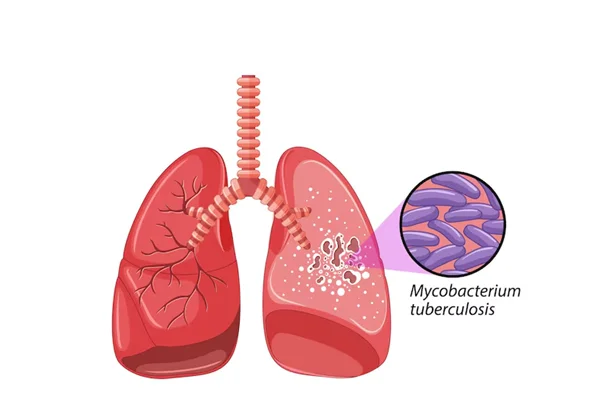
Tuberculosis (TB) is an infectious disease caused by bacteria called Mycobacterium tuberculosis. It most commonly affects the lungs, although it can also involve other parts of the body. When diagnosed early and treated correctly, tuberculosis can usually be managed effectively.
However, untreated or inadequately treated TB can lead to complications affecting the lungs and other organs. If you are searching for tuberculosis treatment in Sarita Vihar, Dr. Saraansh Bansal provides specialist evaluation, diagnosis, treatment guidance, and follow-up care based on the patient's symptoms, test results, and overall health.
Tuberculosis is an infection caused by Mycobacterium tuberculosis. When TB affects the lungs, it is called pulmonary tuberculosis. TB can also occur outside the lungs and may affect lymph nodes, bones, joints, kidneys, brain, or other organs.
TB bacteria can spread through the air when a person with infectious pulmonary TB coughs, sneezes, speaks, or sings. Not everyone exposed to TB bacteria develops active disease. Some people have latent TB infection, in which the bacteria remain in the body without causing active symptoms.
Active TB requires appropriate medical treatment to prevent progression and transmission.
Symptoms of pulmonary TB can develop gradually and may initially be overlooked. Common symptoms include:
These symptoms can also occur with other respiratory conditions. Appropriate testing is therefore important when TB is suspected.
Tuberculosis spreads through airborne transmission from a person with infectious pulmonary TB. The risk of developing active TB can be higher in people with weakened immune systems or certain underlying health conditions.
Other factors may also influence the risk of TB infection and progression. A history of close contact with someone who has active TB can be particularly important when assessing possible exposure.
Accurate diagnosis is an essential part of tuberculosis treatment in Sarita Vihar. Depending on the symptoms and clinical situation, the doctor may recommend a combination of tests.
Chest imaging, such as a chest X-ray or CT scan, may help identify changes in the lungs. Sputum testing can be used to detect TB bacteria and, where appropriate, determine whether the bacteria show resistance to particular medicines.
Molecular tests may help provide faster information in suspected cases. Other investigations can be considered depending on whether TB is suspected outside the lungs.
The exact diagnostic approach depends on the patient's symptoms, exposure history, and clinical findings.
Active TB is treated with a combination of anti-tuberculosis medicines. Treatment usually involves multiple medicines taken for a specified period to eliminate the bacteria and reduce the risk of drug resistance.
The exact medicines, duration, and treatment plan depend on whether the TB is drug-sensitive or drug-resistant and on the site and severity of infection.
Patients should take their medicines exactly as prescribed and should not stop treatment early simply because symptoms have improved. Completing the recommended treatment course is important for successful management and reducing the risk of relapse or drug resistance.
Some TB bacteria can become resistant to one or more anti-tuberculosis medicines. Drug-resistant TB can be more difficult to treat and may require specialised testing and a different combination of medicines.
Drug susceptibility or molecular testing can help identify resistance and guide treatment decisions.
Patients with suspected or confirmed drug-resistant TB should receive specialist management and close monitoring throughout treatment.
When tuberculosis is untreated, severe, or inadequately managed, it can lead to complications. Possible pulmonary complications include:
TB can also spread outside the lungs. Depending on the affected organ, complications may include lymph node disease, bone or joint damage, kidney involvement, or infection of the membranes surrounding the brain.
The risk of complications varies considerably between patients and depends on the site, severity, and duration of infection.
Pulmonary TB can cause inflammation and structural damage to lung tissue. Some patients may continue to experience cough, breathlessness, or reduced exercise capacity even after the infection has been successfully treated.
In certain cases, previous TB can contribute to bronchiectasis, scarring, cavities, or other chronic lung problems. Patients with persistent respiratory symptoms after TB treatment may require further evaluation to assess their lung function and identify any long-term complications.
Treatment of TB complications depends on the specific problem. For example, significant bleeding from the lungs, persistent airway damage, pleural disease, or severe breathing difficulties may require additional specialist evaluation.
Follow-up imaging, pulmonary function testing, sputum testing, or other investigations may be recommended when symptoms continue after treatment.
Managing complications early can help reduce their impact on respiratory health and everyday activities.
Recovery from tuberculosis can take time, particularly when the infection has been severe or has caused lung damage. Regular follow-up is important to monitor treatment response and identify possible side effects or complications.
Patients should take all prescribed medicines consistently and attend recommended follow-up appointments. Adequate nutrition, rest, appropriate physical activity, and avoidance of smoking and tobacco exposure can support overall recovery.
Patients should promptly report worsening cough, breathlessness, fever, coughing up blood, or other new symptoms to their healthcare provider.
Tuberculosis requires accurate diagnosis, appropriate medication selection, and regular monitoring. Dr. Saraansh Bansal focuses on detailed respiratory evaluation and personalised treatment planning for patients with TB and related lung complications.
For patients seeking tuberculosis treatment in Sarita Vihar, specialist consultation can help with diagnostic evaluation, treatment guidance, management of persistent respiratory symptoms, and assessment of complications.
Tuberculosis should not be ignored when symptoms such as persistent cough, unexplained weight loss, fever, night sweats, or coughing up blood are present. Early diagnosis and appropriate treatment can help reduce the risk of complications and transmission.
Dr. Saraansh Bansal provides consultation and personalised care for patients with tuberculosis in Sarita Vihar, including evaluation of respiratory symptoms and complications affecting the lungs.
If you have been diagnosed with TB or continue to experience respiratory symptoms following treatment, a specialist evaluation can help determine whether further investigations or management are needed.
Most cases of drug-sensitive tuberculosis can be successfully treated with an appropriate combination of anti-TB medicines taken for the recommended duration.
Persistent cough, fever, night sweats, unexplained weight loss, fatigue, chest pain, and coughing up blood can occur with pulmonary TB.
Yes. In some patients, TB can leave behind lung scarring, bronchiectasis, cavities, or other structural changes that may cause long-term respiratory symptoms.
Drug-resistant TB occurs when TB bacteria are resistant to one or more anti-tuberculosis medicines. It requires appropriate testing and a specialised treatment plan.
Yes. TB can affect lymph nodes, bones, joints, kidneys, brain, and other organs. The symptoms depend on which part of the body is affected.
Stopping treatment early can increase the risk of treatment failure, relapse, and drug resistance. Medicines should be taken exactly as prescribed by the treating doctor.
Many complications can be managed with appropriate medical treatment. The approach depends on the type and severity of the complication and the organs involved.
Dr. Saraansh Bansal provides specialist consultation and personalised tuberculosis treatment and complication management guidance in Sarita Vihar.


