

| Category | Bronchiectasis |
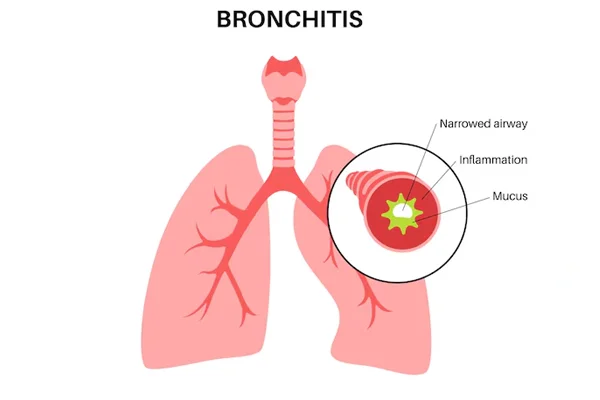
Bronchiectasis is a long-term lung condition in which the airways become permanently widened and damaged. This can make it difficult for the lungs to clear mucus effectively, allowing mucus and bacteria to build up and increasing the risk of repeated respiratory infections.
If you are searching for bronchiectasis treatment in Sarita Vihar, Dr. Saraansh Bansal provides detailed evaluation and personalised treatment guidance based on the cause, severity, symptoms, lung function, and history of respiratory infections.
While bronchiectasis cannot usually be reversed once permanent airway damage has occurred, appropriate treatment can help control symptoms, reduce infections, improve mucus clearance, and support better lung function and quality of life.
Bronchiectasis develops when the walls of the airways become damaged and permanently widened. Healthy airways normally move mucus towards the throat, where it can be cleared. Damaged and widened airways may not clear mucus efficiently.
The retained mucus can provide an environment where bacteria grow. This may lead to repeated infections and further airway damage, creating a cycle of mucus retention, infection, and inflammation.
Bronchiectasis can affect one area of the lung or multiple airways and may range from mild to severe.
Bronchiectasis can develop due to several underlying conditions. In some people, the exact cause may not be identified.
Possible causes and associated conditions include:
Identifying the underlying cause can be an important part of developing an appropriate treatment plan.
Symptoms can vary depending on the extent of airway damage. Common symptoms include:
The amount and colour of sputum can change during respiratory infections. Significant or recurrent coughing up of blood requires prompt medical assessment.
Accurate diagnosis is an important part of bronchiectasis treatment in Sarita Vihar. A doctor may begin by reviewing symptoms, previous infections, medical history, medications, and other health conditions.
A high-resolution CT (HRCT) scan of the chest is commonly used to assess the structure of the airways and identify bronchiectasis.
Other tests may include pulmonary function tests to assess breathing capacity. Sputum testing can help identify bacteria responsible for recurrent infections and may assist in selecting appropriate antibiotics.
Blood tests or other investigations may be recommended when an underlying immune, inflammatory, or genetic condition is suspected.
Treatment aims to control symptoms, clear mucus, prevent and manage infections, and reduce further lung damage. The treatment plan is tailored to each patient.
Airway clearance is an important part of bronchiectasis management. Special breathing techniques, physiotherapy, and selected devices can help loosen and remove mucus from the airways.
A respiratory physiotherapist may recommend techniques based on the patient's symptoms and ability.
Antibiotics may be prescribed during bacterial respiratory infections. Some patients with frequent exacerbations may require a more structured antibiotic strategy under specialist supervision.
Sputum culture can be useful in determining which bacteria are present and helping guide antibiotic selection.
Some patients may benefit from inhaled bronchodilator medicines, particularly when bronchiectasis is associated with airflow obstruction, wheezing, or another airway condition.
Certain inhaled medicines may be recommended to improve airway symptoms or help with mucus clearance in selected patients. The specific treatment depends on individual needs and associated lung conditions.
Patients experiencing breathlessness or reduced exercise capacity may benefit from pulmonary rehabilitation. It can include supervised exercise, breathing strategies, and education designed to improve physical function.
If bronchiectasis has developed because of another condition, treating that underlying problem is an important part of long-term management.
A bronchiectasis exacerbation occurs when respiratory symptoms become noticeably worse than usual. This may include increased coughing, greater sputum production, changes in sputum, worsening breathlessness, fatigue, or fever.
Early medical assessment can help determine whether an infection is responsible and whether antibiotics or other treatment are required.
Patients with frequent exacerbations may need a more detailed evaluation to identify contributing factors and develop a prevention strategy.
Bronchiectasis involving permanent structural airway damage generally cannot be completely reversed. However, effective management can help control symptoms and reduce the frequency and severity of respiratory infections.
Regular follow-up, airway clearance, appropriate treatment of infections, physical activity, and management of underlying conditions can all contribute to long-term care.
The treatment approach should be reviewed periodically because symptoms and disease activity can change over time.
Bronchiectasis is generally a long-term condition requiring ongoing management. Patients should follow their prescribed treatment plan and attend regular medical reviews.
Maintaining physical activity according to medical advice, staying adequately hydrated, avoiding smoking and tobacco exposure, and following recommended vaccination schedules may support respiratory health.
Patients should also learn to recognise changes in their usual symptoms so that infections or exacerbations can be assessed early.
Bronchiectasis can have different causes and patterns of disease, making individual assessment important. Dr. Saraansh Bansal focuses on understanding the patient's symptoms, infection history, imaging findings, and lung function before developing a suitable management approach.
For patients seeking bronchiectasis treatment in Sarita Vihar, specialist consultation can help with diagnosis, infection management, airway clearance strategies, and long-term respiratory care.
Living with bronchiectasis can be challenging, particularly when recurrent infections, persistent cough, or excessive mucus interfere with everyday activities. Appropriate treatment and regular monitoring can help patients manage these problems more effectively.
Dr. Saraansh Bansal provides consultation and personalised treatment guidance for bronchiectasis in Sarita Vihar. The focus is on identifying contributing factors, controlling symptoms, managing infections, and supporting long-term lung health.
If you experience persistent productive cough, repeated chest infections, unexplained breathlessness, or coughing up blood, timely specialist evaluation can help determine whether bronchiectasis or another respiratory condition may be responsible.
Bronchiectasis is a chronic lung condition in which the airways become permanently widened and damaged, making it harder to clear mucus and increasing the risk of respiratory infections.
Persistent cough with phlegm, recurrent chest infections, breathlessness, wheezing, fatigue, and reduced exercise tolerance are common symptoms.
Permanent airway damage generally cannot be reversed, but treatment can help control symptoms, manage infections, improve mucus clearance, and reduce complications.
A high-resolution CT scan of the chest is commonly used to identify airway widening and other structural changes associated with bronchiectasis.
Airway clearance techniques, breathing exercises, physiotherapy, adequate hydration, and selected treatments may help patients clear mucus more effectively.
Yes. Damaged airways can retain mucus, creating an environment where bacteria can grow and increasing the risk of recurrent respiratory infections.
Persistent productive cough, recurrent chest infections, worsening breathlessness, or coughing up blood should be evaluated by a respiratory specialist.
Dr. Saraansh Bansal provides specialist consultation and personalised bronchiectasis treatment guidance in Sarita Vihar.


