

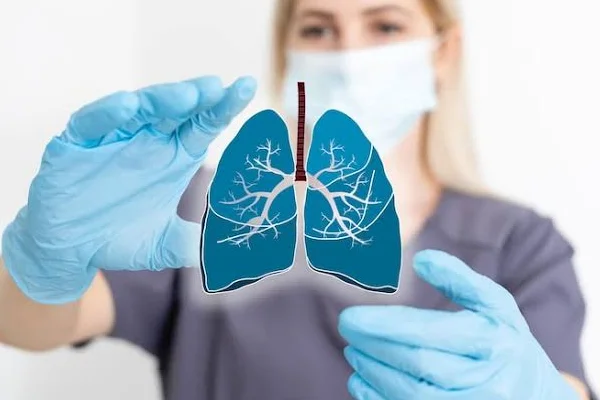
| Category | Lung Transplant |
A lung transplant is a major surgical procedure in which one or both damaged lungs are replaced with healthy lungs from a suitable donor. It may be considered for patients with advanced lung disease when other available treatments are no longer providing adequate control or when lung function has become severely compromised.
For individuals looking for lung transplant in Sarita Vihar, Dr. Saraansh Bansal provides specialist consultation, evaluation, and guidance for patients who may require advanced lung disease management and transplant assessment. The decision to proceed with transplantation requires a detailed evaluation of the patient's lung condition, overall health, suitability for surgery, and expected benefits.
A lung transplant replaces a diseased or severely damaged lung with a healthy donor lung. Depending on the underlying condition, a patient may receive a single-lung transplant or a bilateral, or double-lung, transplant.
Lung transplantation is generally considered for selected patients with advanced, progressive lung disease. It is not appropriate for every patient, so a comprehensive assessment is necessary before a transplant programme can consider an individual.
The evaluation generally looks at lung function, disease progression, other medical conditions, physical condition, previous treatments, and the patient's ability to follow long-term post-transplant care.
A lung transplant may be considered for patients with severe lung disease that continues to progress despite appropriate medical treatment. Conditions that may sometimes lead to transplant evaluation include:
The suitability for transplantation varies considerably between patients. A specialist assessment is important to determine whether referral for transplant evaluation is appropriate.
Patients with advanced lung disease may experience significant limitations in everyday activities. Symptoms that may prompt further evaluation can include:
These symptoms can occur in several lung conditions and do not automatically mean that a lung transplant is required. Proper evaluation is necessary to understand the cause and severity of the problem.
A detailed evaluation is one of the most important steps before transplantation. The medical team may review the patient's medical history, previous treatments, medications, lung function, imaging, and overall physical condition.
Tests may include pulmonary function testing, blood investigations, chest imaging, cardiac evaluation, assessment of oxygen requirements, and other investigations depending on the patient's condition.
The evaluation also considers whether the patient can safely undergo major surgery and manage the long-term treatment required after transplantation.
During lung transplant surgery, the patient is placed under general anaesthesia. The diseased lung is removed and replaced with a suitable donor lung. In a bilateral transplant, both diseased lungs are replaced.
The surgical procedure is complex and requires a specialised multidisciplinary transplant team. After surgery, the patient is closely monitored in the hospital, often initially in an intensive care setting.
The duration of hospitalisation and recovery varies depending on the patient's health, type of transplant, response to surgery, and occurrence of any complications.
Lung transplantation does not end the need for medical care. Long-term follow-up is essential to monitor lung function, medication response, infections, and possible complications.
Patients generally need immunosuppressive medicines to reduce the risk of rejection of the transplanted organ. These medicines require careful monitoring because they can affect the immune system and may increase susceptibility to infections.
Regular appointments and investigations help the transplant team identify potential problems at an early stage.
Recovery after a lung transplant can take time. Patients may require pulmonary rehabilitation, breathing exercises, nutritional support, and gradual physical activity under medical supervision.
Following the prescribed medication schedule is extremely important. Patients should also follow advice regarding infection prevention, diet, physical activity, vaccinations, and follow-up appointments.
Any new symptoms such as increasing breathlessness, fever, persistent cough, chest discomfort, or a sudden decline in exercise capacity should be reported promptly to the treating medical team.
For carefully selected patients with advanced lung disease, transplantation may offer the possibility of improved breathing capacity, greater physical activity, and improved quality of life.
The potential benefits must always be weighed against the risks associated with major surgery, lifelong immunosuppression, rejection, infections, and other possible complications.
A transplant specialist or multidisciplinary team can explain the expected benefits and risks based on the individual patient's condition.
Lung transplantation requires careful patient selection and coordination between multiple medical specialties. Dr. Saraansh Bansal focuses on detailed respiratory evaluation and personalised guidance for patients with complex and advanced lung conditions.
For patients seeking lung transplant in Sarita Vihar, consultation can help determine whether further investigations, advanced treatment, or referral to a dedicated lung transplant centre may be appropriate.
Each patient has different medical needs, so transplant-related decisions should be based on a comprehensive clinical assessment rather than symptoms alone.
Advanced lung disease can significantly affect breathing, mobility, and everyday life. When lung function continues to decline despite appropriate treatment, discussing advanced treatment options with a specialist can be an important step.
Dr. Saraansh Bansal provides consultation and guidance for patients in Sarita Vihar who require evaluation of severe or progressive lung disease, including assessment for possible lung transplant referral when clinically appropriate.
Early specialist evaluation can help patients understand their condition, available treatment options, and whether further transplant assessment may be beneficial.
Eligibility depends on the underlying lung disease, severity of lung damage, overall health, age, other medical conditions, and ability to undergo surgery and follow long-term post-transplant care.
Yes. Depending on the patient's condition, a single-lung or bilateral lung transplant may be considered.
Recovery varies from patient to patient. Hospital recovery and rehabilitation can take several weeks or longer, while complete recovery and adjustment to long-term care may take considerably more time.
Yes. Patients generally require lifelong immunosuppressive medication to reduce the risk of rejection. Regular monitoring is necessary to manage these medicines safely.
No. Transplantation is considered only for carefully selected patients after detailed medical and transplant-centre evaluation.
Dr. Saraansh Bansal provides specialist consultation and guidance for patients with advanced lung disease in Sarita Vihar, including assessment for appropriate referral for transplant evaluation.


